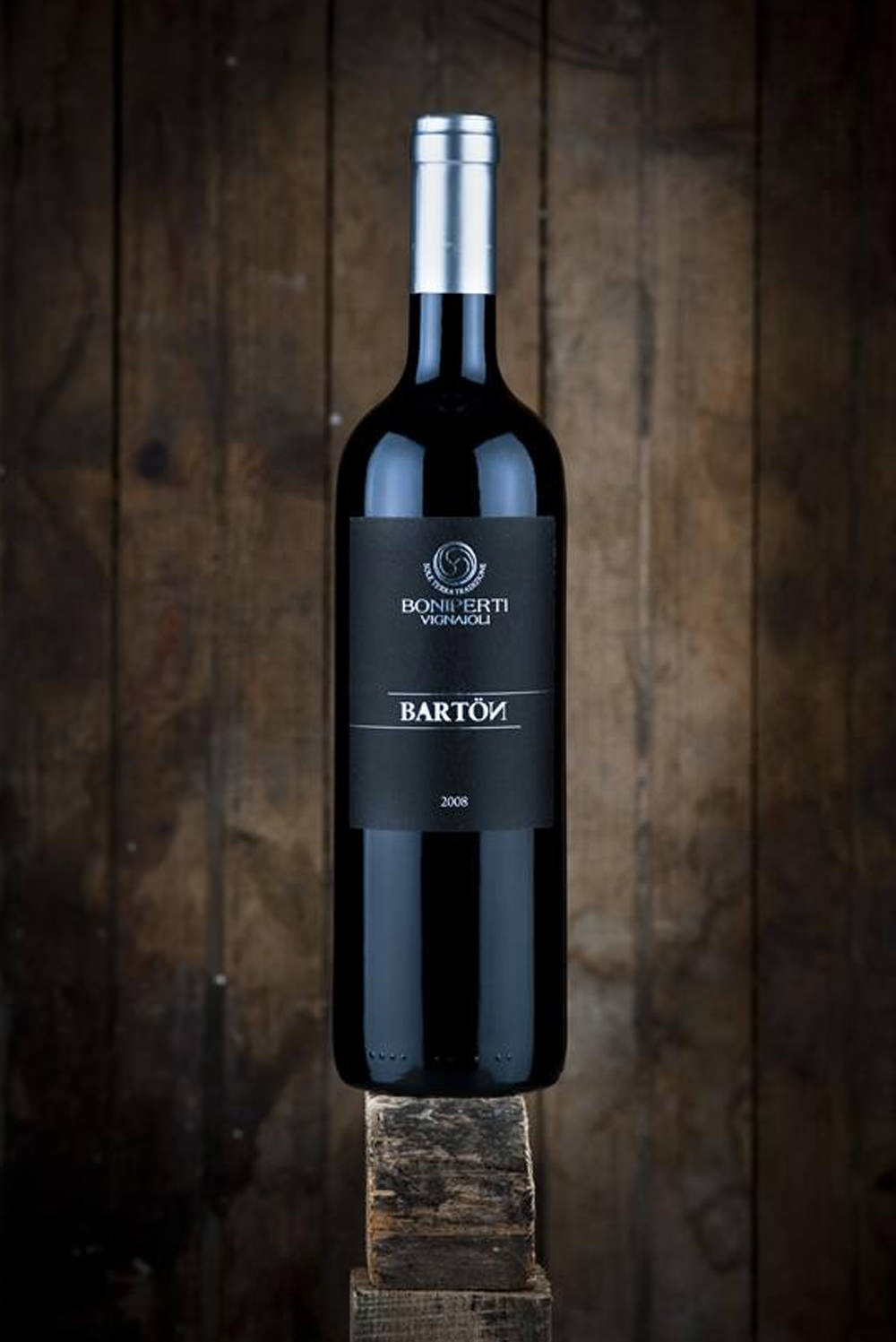
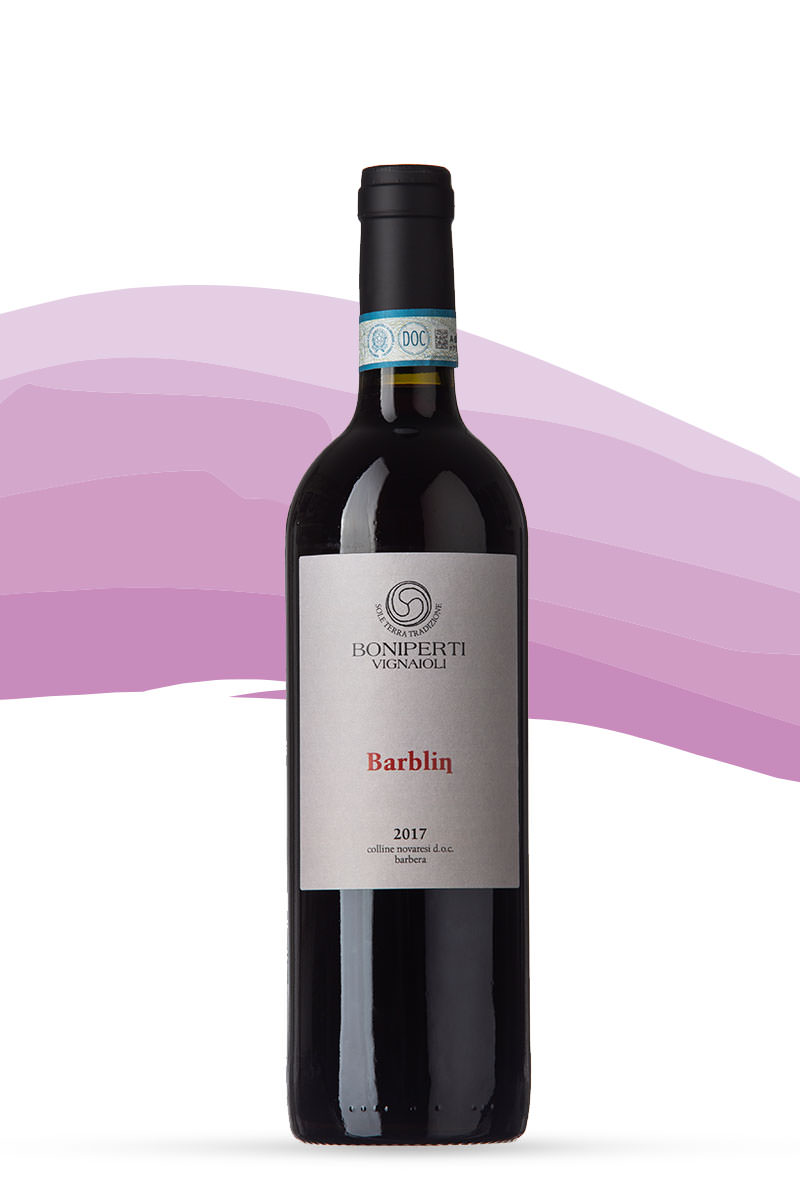
Our first visit of many in the “Alto Piemonte” was to Gilberto Boniperti’s cellar. He had harvested some grapes the previous day, crushed them, and was planning to get some more grapes later that day. We instantly liked this man. He showed great passion, and modesty.
“When you don’t know what to do, just go to the vineyard ... there is always something to do there!”
“My grandfather used to repeat this over and over again when I was a little boy, and I would have never imagined that it would become some of his best advice, one of the basic concepts of my work and life philosophy: full dedication to my vineyards, many hours of manual work, painstaking attention to detail in following the winemaking process, and last but not least patient wait for the slow and vital ripening of my wines.
I now realise that it is these ancient values that have made my work and its products so precious today, making them stand out: a “slow work practice” that is probably not in line with modern fast-paced rhythms, but something I am proud to carry on and perform in my daily life.”
This is written on his website. In our conversation he added how previously he had worked in some large estate in Tuscany, where the mindset was quite the opposite. This is the reason for understanding and accepting his grandfather’s advice.
We liked this winemaker. We did not expect, however, to love his “flagship” wine this much!